Takeaways from Davos: How Global Leaders are Reframing Public-Private Partnerships
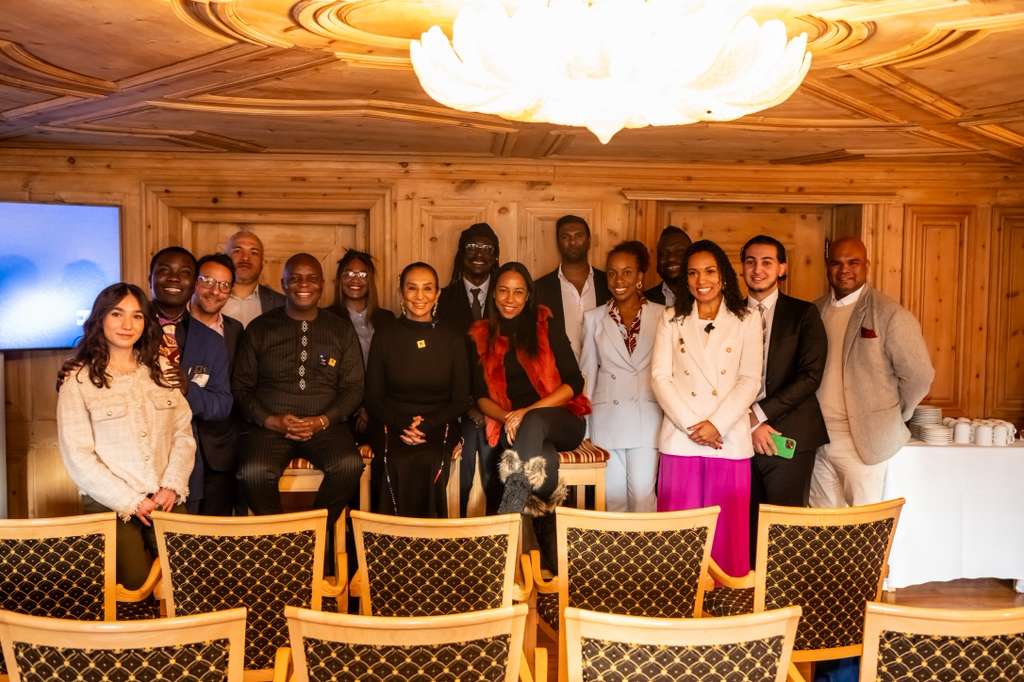
At Davos 2025, the conversations were not just about vision, they were about survival. Sovereigns, multilaterals, and corporates alike acknowledged that the traditional boundaries of responsibility no longer serve a fractured world. Climate shocks, supply chain disruptions, and sovereign debt crises are not confined within borders. Neither should solutions be.
The dominant theme was public-private partnership redefined. This was not the PPP model of two decades ago, where governments offloaded risk and hoped private companies would deliver. Instead, the new model emphasizes co-investment: governments providing regulatory stability, multilaterals cushioning with guarantees, and private investors injecting capital and know-how.
From sessions on digital infrastructure in emerging markets to roundtables on climate financing, the buzzword was co-investment. For the Caribbean and Africa, this emphasis is pivotal. Regions too often painted as high risk are now being positioned as testbeds for innovative financing structures.
In one session on sovereign credit, I underscored the need for better communication between ministries of finance and private lenders. Mistrust, often rooted in outdated perceptions, is one of the largest barriers to unlocking capital. Platforms like Davos help bridge these gaps, but real progress requires structured partnerships, not just panels.
For Crane Philip, the lessons from Davos reaffirm our mission: to operate as the connective tissue between governments, development institutions, and private capital. The next generation of development projects will not be financed by one stakeholder, but by all of them together.