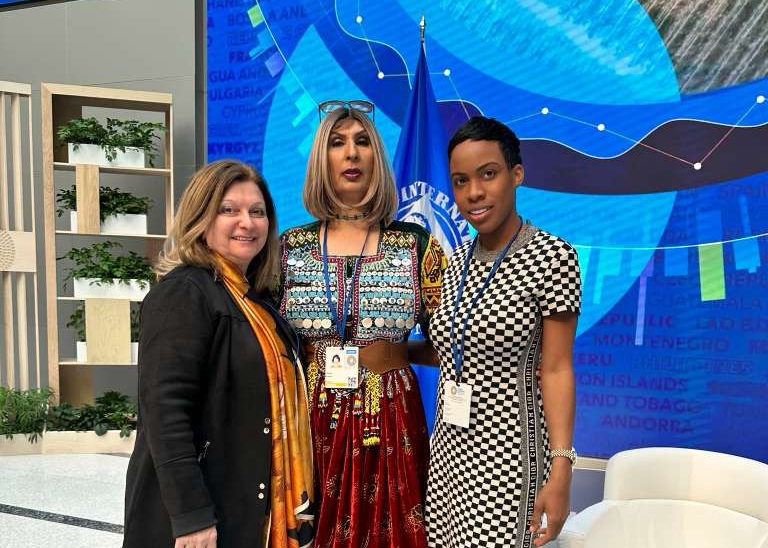
Spring Meetings 2024: Navigating Debt, Growth, and Investor Confidence
The IMF and World Bank Spring Meetings in Washington this April were set against a backdrop of tightening global financial conditions and persistent sovereign debt challenges. For many developing countries, especially in Africa and the Caribbean, the issue was not whether debt distress exists, but how to resolve it without derailing growth.
Several ministers of finance highlighted the urgency of rethinking debt treatment. The Common Framework, while useful in theory, has struggled in practice. Investors voiced their concerns about predictability and timelines. Meanwhile, civil society emphasized the human impact of austerity. These competing narratives made clear that debt solutions must be both technically sound and socially sustainable.
One of the more promising discussions focused on Special Drawing Rights (SDRs). The proposal to rechannel unused SDRs into climate and development finance was widely debated. While challenges remain, the idea that liquidity should serve transformation rather than sit idle marked a shift in tone.
For investors, credibility and transparency remain critical. Countries that communicate clear strategies for reform are rewarded with stronger market interest. For sovereigns, this means developing not just policy, but also a communication strategy that builds confidence with stakeholders.
Crane Philip’s work at the Spring Meetings was centered on helping sovereigns think strategically about these issues. Sovereign advisory is not only about structuring debt, it is also about aligning financing with growth priorities. As we look toward 2025, the lesson is clear: debt sustainability and investment cannot be treated as separate goals. They must be addressed together if emerging markets are to thrive.