IMF Annual Meetings 2024: Rethinking Global Finance in an Age of Fragmentation
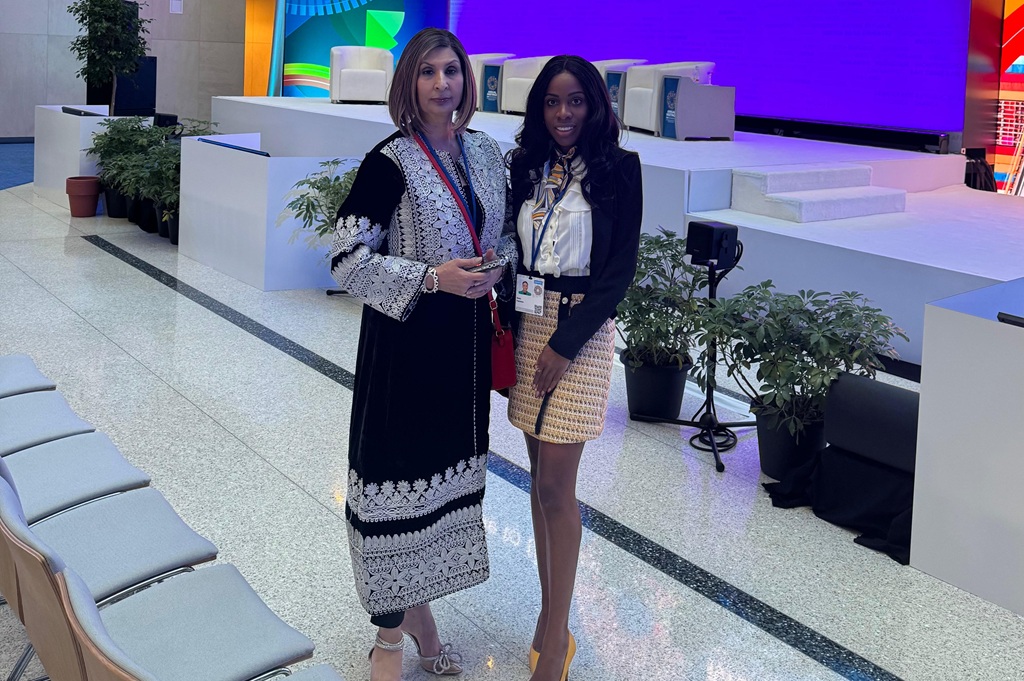
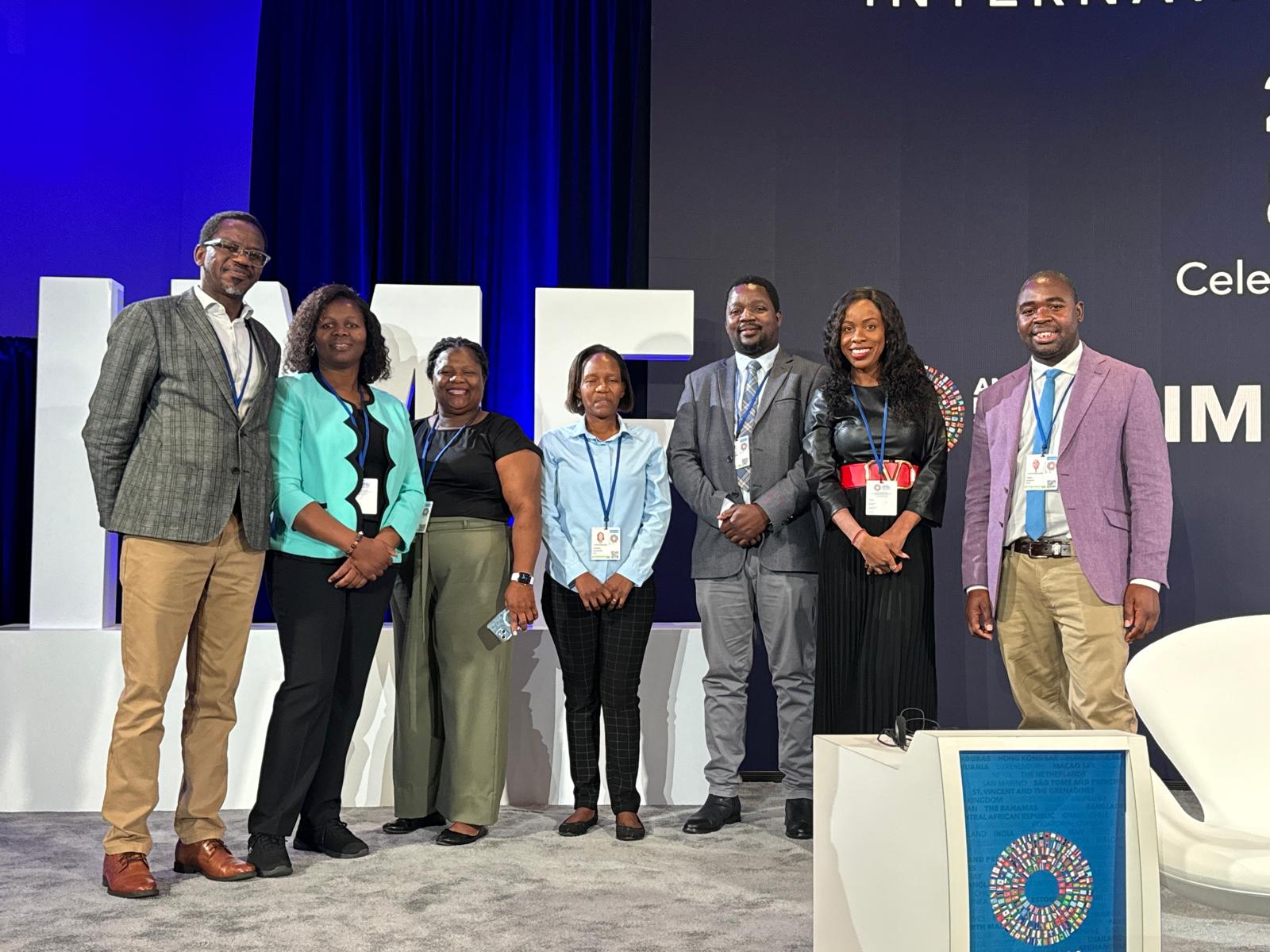
The IMF Annual Meetings in Washington, DC this October were held in an atmosphere of deep global fragmentation. Conflicts, climate disasters, and election cycles all cast long shadows. Yet amidst this uncertainty, one message was clear: the global financial system must evolve if it is to meet the challenges of the next decade.
One of the highlights for our team was attending the Ninth Annual Babacar Ndiaye Lecture, hosted by Afreximbank during the Meetings. This lecture has become one of the most important platforms for African perspectives to be heard in Washington. The 2024 edition emphasized the urgency of rethinking the global financial system so that it reflects Africa’s role not only as a recipient of capital but as a partner in shaping solutions.
Discussions on reforming the international financial architecture gained momentum. Calls for more inclusive governance at the IMF and World Bank were stronger than ever. African and Caribbean leaders in particular made compelling cases for why their voices must be central in shaping solutions.
Private capital was another recurring theme. Multilateral institutions cannot close the financing gap for development and climate alone. Pension funds, insurers, and private equity must be brought into the equation. The challenge is to design structures that make these investors comfortable while keeping development at the core.
Climate finance also dominated discussions. While pledges were made, what stood out was the emphasis on translating commitments into real projects. The urgency of building pipelines that are bankable and investment-ready was a point repeated by ministers, bankers, and investors alike.
For Crane Philip, the Meetings were an opportunity to underscore our role as translators between government ambition and investor requirements. The Babacar Ndiaye Lecture reaffirmed why we consistently prioritize Afreximbank as a partner. It reminded us that African institutions are credible global actors and that private actors like us must amplify and operationalize the vision set out by leaders on that stage.
As 2025 approaches, our focus will be on ensuring that the lessons from Washington are applied to deals on the ground.